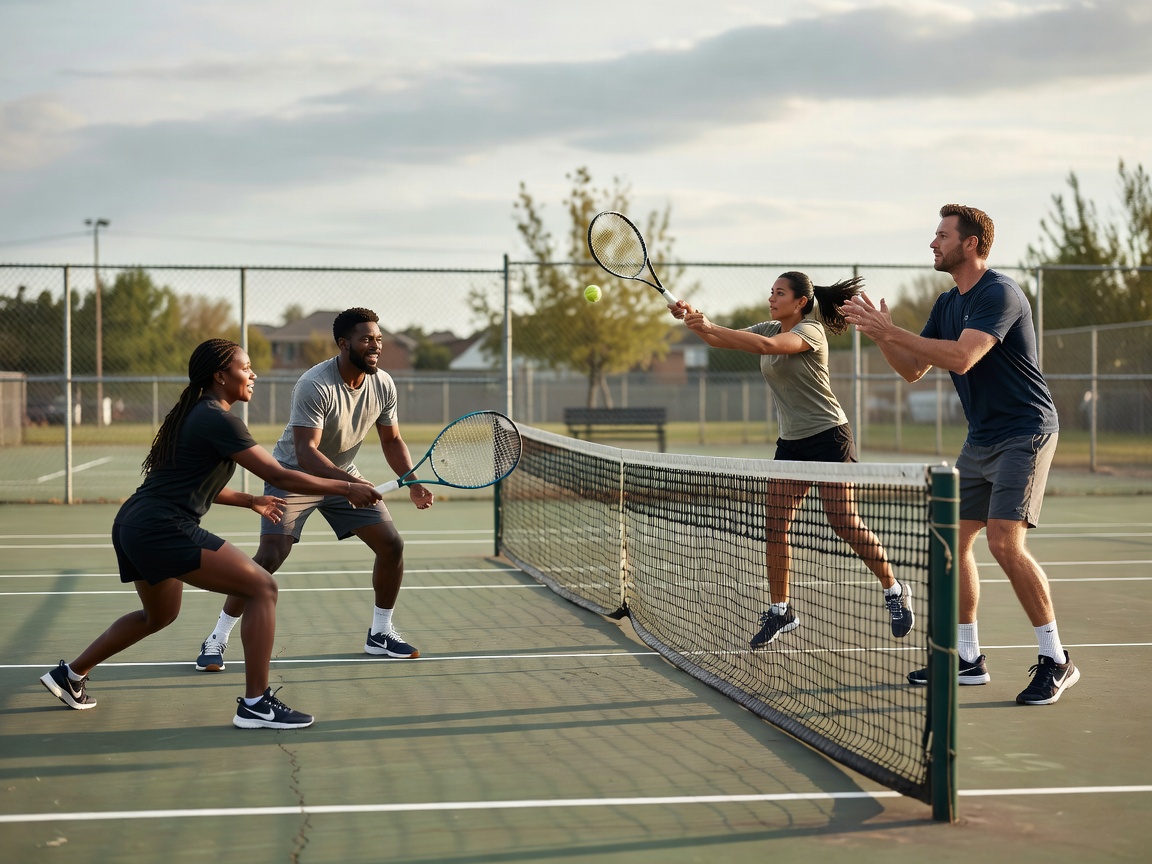
The next workout might start with other people
Padel, pickleball, Ultimate, parkrun, November Project and walking football have one thing in common: they are built around turning up with other people. For busy adults who want exercise that is easy to start and easy to keep, that structure can matter more than fitness.
Explore social court formatsFind a reason to return
Most people do not stop exercising because it is too hard. They stop because nothing expects them back. A solo workout can be skipped on a tired Tuesday and nobody notices. A weekly game, a Saturday-morning route or a regular walk with familiar faces has a small pull of its own.
Recurring social formats work because they borrow structure. The time repeats, the equipment is often shared, and someone has already decided what happens next. You arrive and the session forms around you.
The pull stays gentle when the format is designed for it. A rally in padel or pickleball needs a partner and a few minutes of attention, not a personal best. Parkrun uses the same course every week, so change is easy to feel without comparing yourself to anyone. Walking football slows the game on purpose. None of it asks for fitness first; the group is the way in.
Availability differs from place to place, and nothing here points to a particular club, court or event near you. Read the formats as a map, then check what actually runs in your area.
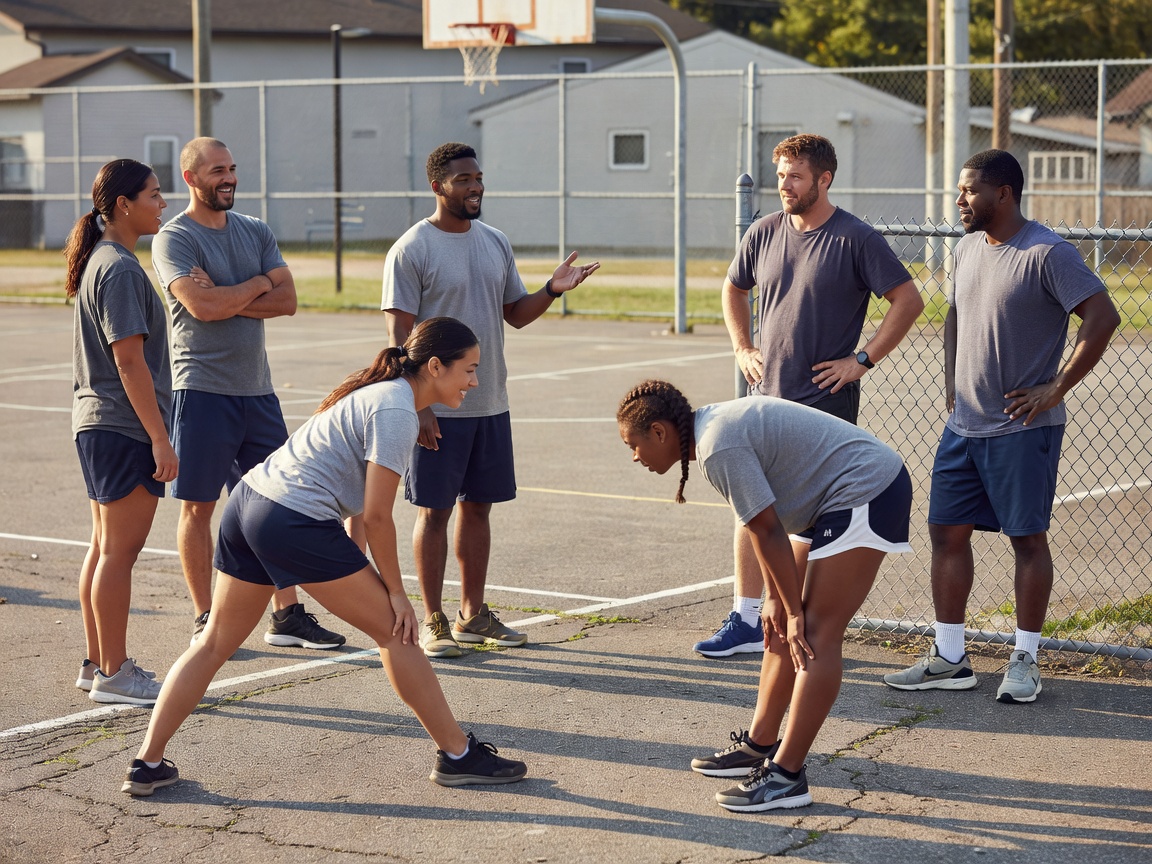
What makes a group format workable
- The time repeats, so you can plan around it instead of deciding every week.
- A first visit has a clear start: where to meet, who to ask, what to bring.
- Pace is personal. You can slow down, rest or stay at the back without stopping the session.
- Kit is simple, or equipment is lent, so week one does not need a shopping trip.
- Any cost is stated before you arrive.
- A volunteer, host or captain welcomes newcomers.
- Missing a week does not mean starting again.
- Travel fits your normal day, including the journey home.
A rule of thumb
If five or six of these are true, the format is probably workable. If almost none are, it may still be a good session, but it will lean on willpower instead of routine.
Courts, circuits, routes and shared spaces
Social Courts
Padel and pickleball put four people on a small court and keep rallies short. Walking football and Ultimate bring team play at a pace you can set. Each format starts differently, and each has a different learning curve.
Group Training
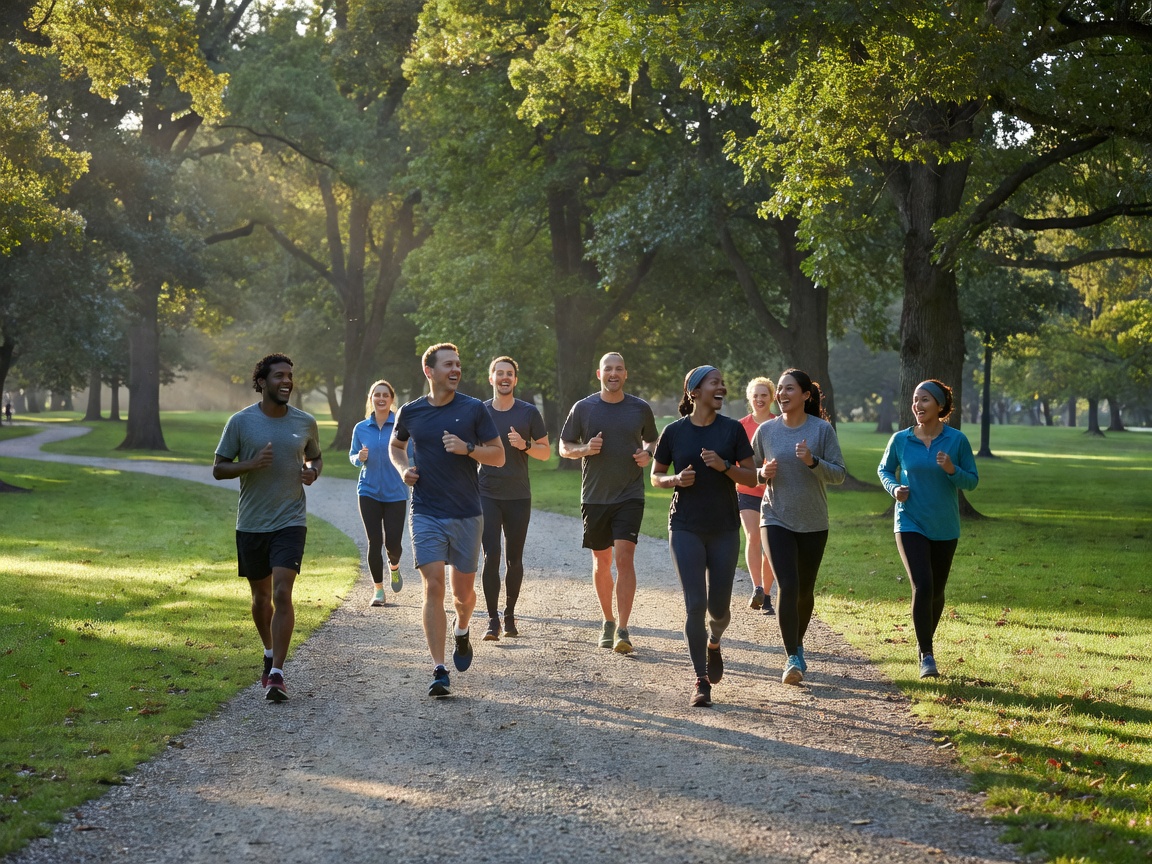
Stations, intervals and open-air sessions let a group train together while each person works at their own level. November Project and GoodGym show how far the idea has travelled.
Shared Routes
Parkrun, Couch to 5K and organised walks turn a fixed route into a weekly meeting point, and they suit people returning after a long gap.
Joining In
Kit, cost, step-free access, pace and who to ask on the first day decide whether a session sticks. A table compares the formats side by side.
Before joining the group
Do I need to be fit before I start?
No. Most beginner-friendly formats assume you are starting from wherever you are. Rests and easier variations are normal. If you have a health condition or have been inactive for a long time, talk to a doctor or another qualified professional first.
What if everyone already knows each other?
Recurring groups have regulars, and regulars remember being new. Arrive a few minutes early, say it is your first time and ask who to follow. Many sessions rotate partners, which helps.
How do I find out what runs near me?
Start with the organiser's own pages, such as parkrun's event listings, the Ramblers' walk listings or a local leisure centre. Availability changes, so confirm details with the organiser before travelling.
Is parkrun a race?
It is timed, but the organisers describe it as a run, jog or walk rather than a race, and people of every pace take part. A volunteer usually walks at the back.